
HVAC Repair in Canal Winchester, OH
Professional HVAC repair in Canal Winchester, OH for homes and small businesses. Fast diagnostics, on-site repairs, clear warranties, learn more about emergency options.

When your heating or cooling system fails, you need fast, accurate diagnostics and durable repairs that restore comfort and protect your home. Best Service Heating & Cooling provides professional HVAC repair in Canal Winchester, OH for residential and light-commercial systems. Canal Winchester winters and humid Ohio summers place seasonal stress on HVAC equipment, so timely intervention, experienced troubleshooting, and smart repair-versus-replace decisions matter.
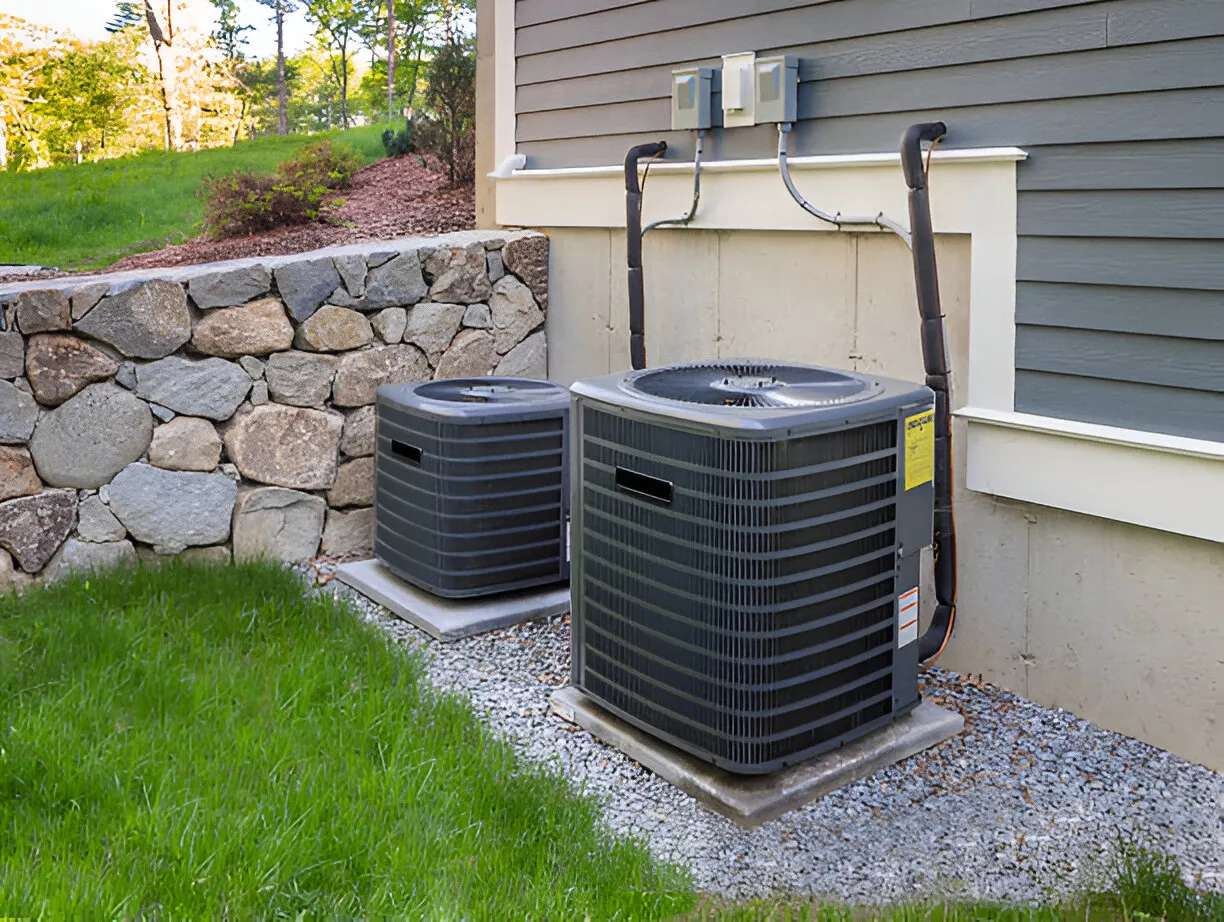
Why prompt HVAC repair matters in Canal Winchester
- Summer heat and high humidity cause air conditioners and heat pumps to run longer and work harder, increasing the risk of compressor, capacitor, and refrigerant-related failures.
- Cold winters and freeze-thaw cycles place heavy demand on furnaces and boilers, which can lead to ignition problems, cracked heat exchangers, or circulation failures.
- Older Canal Winchester homes and those with additions often have duct leaks, uneven airflow, and thermostat zoning issues that accelerate wear.
- Delaying repair increases energy costs, increases the chance of secondary damage (frozen pipes, mold growth from condensation), and can shorten equipment life.
Common HVAC repair issues in Canal Winchester homes
- No cooling or no heating: Complete loss of conditioned air from system failure, often caused by electrical faults, failed compressors, broken fans, or fuel/ignition issues.
- Short cycling: Systems that turn on and off too frequently due to clogged filters, incorrect refrigerant charge, failing capacitors, or faulty control boards.
- Poor airflow: Weak registers or rooms that never reach set temperature because of blower motor issues, clogged ductwork, closed dampers, or undersized equipment.
- Thermostat problems: Incorrect calibration, wiring faults, or poor placement cause inconsistent comfort and unnecessary runtime.
- Refrigerant leaks: Low refrigerant causes reduced cooling capacity and higher energy use; leaks need locating and repairing before recharge.
- Electrical failures: Tripped breakers, burned contactors, and failed capacitors are common causes of sudden failures.
- Strange noises or odors: Rattling, screeching, or burning smells often indicate loose components, failing bearings, motor issues, or electrical overheating.
- Drain and condensation issues: Clogged condensate drains or slow condensation removal lead to overflow, water damage, and secondary system shutdowns.
- Pilot and ignition faults: Standing pilot or electronic ignition failures are common in furnaces and boilers after periods of inactivity.
What to expect during an on-site diagnostic and repair visitBest Service Heating & Cooling follows a systematic approach to diagnose and repair HVAC problems so you receive a professional, transparent service experience.
Arrival and visual assessment
- The technician will introduce themselves, confirm the address and symptoms, and perform an initial visual inspection of both indoor and outdoor equipment.
- Quick safety checks include carbon monoxide screening (if applicable), gas leak sniffing, and electrical panel inspection.
System history and symptom confirmation
- The tech will ask about when the issue began, whether it is intermittent or continuous, prior recent repairs, thermostat behavior, and any relevant household changes (new insulation, new windows, recent power events).
Operational testing and measurements
- Electrical tests: voltage, amperage, capacitor readings, and circuit condition.
- Refrigerant and pressure checks for AC and heat pumps.
- Combustion and draft testing for gas-fired appliances when applicable.
- Airflow measurements and static pressure to identify duct or blower problems.
- Thermostat calibration and control signal verification.
Targeted troubleshooting
- Based on test results the technician isolates the failed component or system fault, documents findings, and explains the root cause in plain language. Photos or short videos may be used to illustrate issues.
Repair proposal and repair-by-priority
- For light repairs that can be completed on the first visit (failed capacitor, sensor replacement, condensate clear, minor electrical repair), the technician will proceed if parts and time allow.
- For more extensive repairs or if replacement parts are required, the technician will present repair options, impact of delay, life expectancy of the component, and warranty coverage distinctions.
Emergency response and after-hours availabilityCanal Winchester residents encounter HVAC emergencies that require rapid response: complete heat loss on cold nights, AC failures during heat advisories, or water leaks from condensate overflows. Best Service Heating & Cooling maintains emergency response protocols to address urgent situations promptly and safely.
- Priority triage: Dispatch decisions prioritize life-safety issues first, such as loss of heat during freezing conditions, carbon monoxide concerns, or active water leaks risking structural damage.
- Temporary measures: When immediate full repair is not possible, technicians employ temporary, safe measures to stabilize the situation (temporary heat source guidance, isolating a leaking condensate line, or securing an electrical fault) while arranging a permanent fix.
- After-hours diagnostic guidance: If you experience an issue after regular hours, technicians can provide safe, step-by-step guidance over the phone to stabilize equipment until a qualified technician can follow up.
Component repair versus replacement: how decisions are madeRepair or replace? The decision balances safety, remaining useful life, repair cost relative to replacement, energy efficiency, and how well the existing equipment matches your home. Typical decision factors include:
- Age of equipment: Furnaces and boilers often have a 15-20 year useful life, central air systems 10-15 years. A repair on equipment past its expected life may be a short-term fix.
- Cost of repair relative to replacement: If repair costs exceed a significant fraction of replacement cost, replacement often provides better long-term value.
- Frequency of failures: Multiple, repeated failures indicate broader system aging and higher lifecycle cost.
- Efficiency and performance: Older equipment runs at lower efficiency. Replacing with modern, higher-efficiency equipment can reduce operating costs and improve comfort.
- Availability of parts: For discontinued models, parts may be hard to find; replacement may be safer and more reliable.
- Safety risks: Any repair that addresses a safety hazard (cracked heat exchanger, persistent electrical faults) must factor safety first; replacement may be necessary.
Expected timelines and what affects repair time
- Simple repairs: Filter change, drain clearing, thermostat recalibration, or replacing a capacitor usually take 30 minutes to 2 hours and are often completed on the first visit.
- Moderate repairs: Motor replacements, refrigerant leak repairs, control board swaps, or burner adjustments commonly take 2 to 4 hours, and may require ordering parts.
- Major repairs or replacements: Compressor swaps, major refrigeration repairs, heat exchanger replacement, or full system replacement can take a day or multiple visits depending on parts availability and permit requirements for light-commercial units.
Factors that affect timing: - Parts availability: Common replacement parts are stocked; specialized components may have lead time.
- Access and complexity: Tight mechanical closets, rooftop units, or systems with complex ductwork increase labor time.
- Permits and inspections: Some replacements require municipal permits and post-work inspections that affect the schedule.
- Weather and season: Peak season demand can affect response times; technicians prioritize safety and emergency calls first.
Pricing estimates and transparencyWhile specific pricing varies by make, model, part, and labor involved, transparency is a priority. Repairs are typically quoted based on:
- Diagnostic fee (covers technician time, testing, and written findings)
- Parts cost based on manufacturer part number or equivalent OEM-quality replacement
- Labor hours estimated based on the complexity of the task
- Any permit or disposal fees required for the job
Technician qualifications and certificationsQuality repairs depend on trained, credentialed technicians who understand safety codes and the latest equipment. Best Service Heating & Cooling emphasizes continued training and credentialing:
- NATE-certified technicians: North American Technician Excellence verification of skill and knowledge in HVAC systems.
- EPA 608 certification: Required for handling refrigerants safely and legally.
- Ongoing manufacturer training: Technicians trained to repair modern inverter-driven equipment, variable-speed compressors, and smart thermostats.
- Safety and code compliance: Technicians follow building and mechanical code guidance and safe work practices for electrical and gas systems.
- Background checks and customer-care training: For work inside homes and light-commercial spaces technicians are trained to protect homeowner property and to communicate findings clearly.
Warranty information on repairs and partsUnderstanding warranty coverage prevents surprises after service:
- Parts warranty: Many replacement parts carry manufacturer or distributor warranties that cover defects for a specified period. Your repair quote identifies parts and any applicable warranty terms.
- Labor warranty: Repairs performed by Best Service Heating & Cooling include a labor warranty for a defined period on the work completed. Labor warranties cover the workmanship of the repair, not failures due to unrelated parts or preexisting conditions.
- Manufacturer versus company warranty: Manufacturer warranties cover parts defects. Company labor warranties cover installation and repair workmanship. The diagnostic report will clarify what is covered by each.
- Transferability and conditions: Some warranties require documented maintenance and professional installation to remain valid. Keep service records and invoices to maintain coverage.
Preventive maintenance and tips to avoid future breakdownsRoutine maintenance is the most cost-effective way to reduce emergency repairs and extend equipment life. Practical, homeowner-focused preventive steps include:
Seasonal checklist
- Replace or clean filters every 30 to 90 days depending on filter type and household conditions. Clogged filters cause reduced airflow and stress on blowers.
- Keep outdoor condenser units clear of leaves, grass clippings, and stored items. Maintain 2 to 3 feet of clearance for airflow.
- Schedule professional tune-ups in spring for cooling systems and fall for heating systems. A professional tune-up includes cleaning coils, checking refrigerant charge, inspecting electrical connections, and testing safety controls.
- Check and clean condensate drains annually to prevent clogs and water damage.
- Verify thermostat settings and consider upgrading to a programmable or smart thermostat to reduce runtime and detect irregularities early.
- Inspect exposed ductwork for loose seams and visible holes; seal with mastic or foil tape and schedule a professional duct diagnostic if airflow is uneven.
Home habits that protect HVAC systems
- Avoid blocking return and supply registers with furniture or curtains.
- Maintain consistent indoor humidity levels; excessive humidity increases AC runtime and component stress in summer.
- Change HVAC air filters promptly after heavy pollen seasons or when doing home projects that increase dust.
- Keep pets groomed and restrict pets from near equipment to reduce hair accumulation.
Service documentation and record keeping
- Keep a simple file with service agreements, technician notes, invoices, and dates of repairs or part replacements. This helps technicians diagnose patterns and maintain warranty compliance.
- Consider joining a maintenance plan that records visits, ensures priority scheduling, and documents recommended future repairs.
Light-commercial considerations in Canal WinchesterLight-commercial systems often operate longer hours and under heavier loads than residential systems. Repairs on commercial units require attention to:
- Duty cycle: Commercial equipment may need heavier-duty components and more frequent maintenance to avoid premature failures.
- Zoning and control systems: Commercial spaces often use more complex controls and economizers; troubleshooting requires specialized controls knowledge.
- Code and permit requirements: Commercial work may require more extensive compliance documentation and inspections.
- Planned downtime: For businesses, coordinate repairs during off-peak hours to minimize operational disruption.
How service findings are communicatedClear, actionable communication helps property owners make confident decisions:
- Written diagnostic report: Technicians provide a straightforward summary of findings, including tests performed, failed components, and recommended next steps.
- Repair options: For non-emergency work, owners receive pros and cons of repair versus replacement, estimated timelines, warranty implications, and expected energy impacts.
- Visual evidence: Photos of damaged components or system conditions may accompany the report to aid understanding.
Scheduling a service call in Canal WinchesterTo schedule HVAC repair in Canal Winchester, OH, check office hours and the service options available on the Best Service Heating & Cooling customer portal or request service form. During regular hours, scheduling is arranged by selecting an available appointment window; for after-hours emergencies, follow the emergency response guidance provided by the company to stabilize the situation until a qualified technician can arrive. Keep your equipment model and recent service history available to streamline the diagnostic process and allow technicians to bring commonly needed parts to the first visit.
Why local expertise matters for Canal Winchester HVAC repairLocal knowledge matters because Canal Winchester experiences a range of conditions that impact equipment differently than other regions:
- Humidity and pollen cycles in central Ohio increase the need for frequent filter changes and can accelerate coil fouling in outdoor units.
- Freeze-thaw cycles and road salt exposure in winter can cause corrosion or impact outdoor unit operation if units are not properly maintained.
- Older neighborhoods in Canal Winchester often have legacy duct systems or unique home layouts that require custom solutions rather than one-size-fits-all repairs.
What to expect after repair
- Post-repair verification: Technicians will run the system through operational tests to verify the repair under load and confirm safe operation.
- Follow-up recommendations: You may receive recommendations for preventive measures or monitoring suggestions to ensure long-term reliability.
- Documentation: Receive a clear invoice and documentation of parts installed, warranty details, and any recommended next steps.
Hot Deals & Cool Savings

.webp)
New Service Agreement Membership
.webp)
Any New Client Service
Next Service for Referring a New Client
New Service Agreement Membership
Any New Client Service
Next Service for Referring a New Client
.webp)
.webp)

Service Areas
