
HVAC Installation in Reynoldsburg, OH
HVAC Installation in Reynoldsburg, OH delivers professional system design, precise load calculations, ductwork assessment, and flawless commissioning for reliable year-round comfort. Learn more.

Replacing or installing a new HVAC system is one of the most significant investments a homeowner makes in comfort, energy efficiency, and indoor air quality. In Reynoldsburg, OH, where humid summers and cold winters place wide seasonal demands on heating and cooling equipment, a professionally specified and installed HVAC system can lower utility costs, reduce breakdowns, and improve year round comfort. Best Service Heating & Cooling provides comprehensive HVAC installation in Reynoldsburg, OH, covering everything from the initial consultation and load calculation to equipment selection, ductwork evaluation, system commissioning, warranty registration, and maintenance handoff.
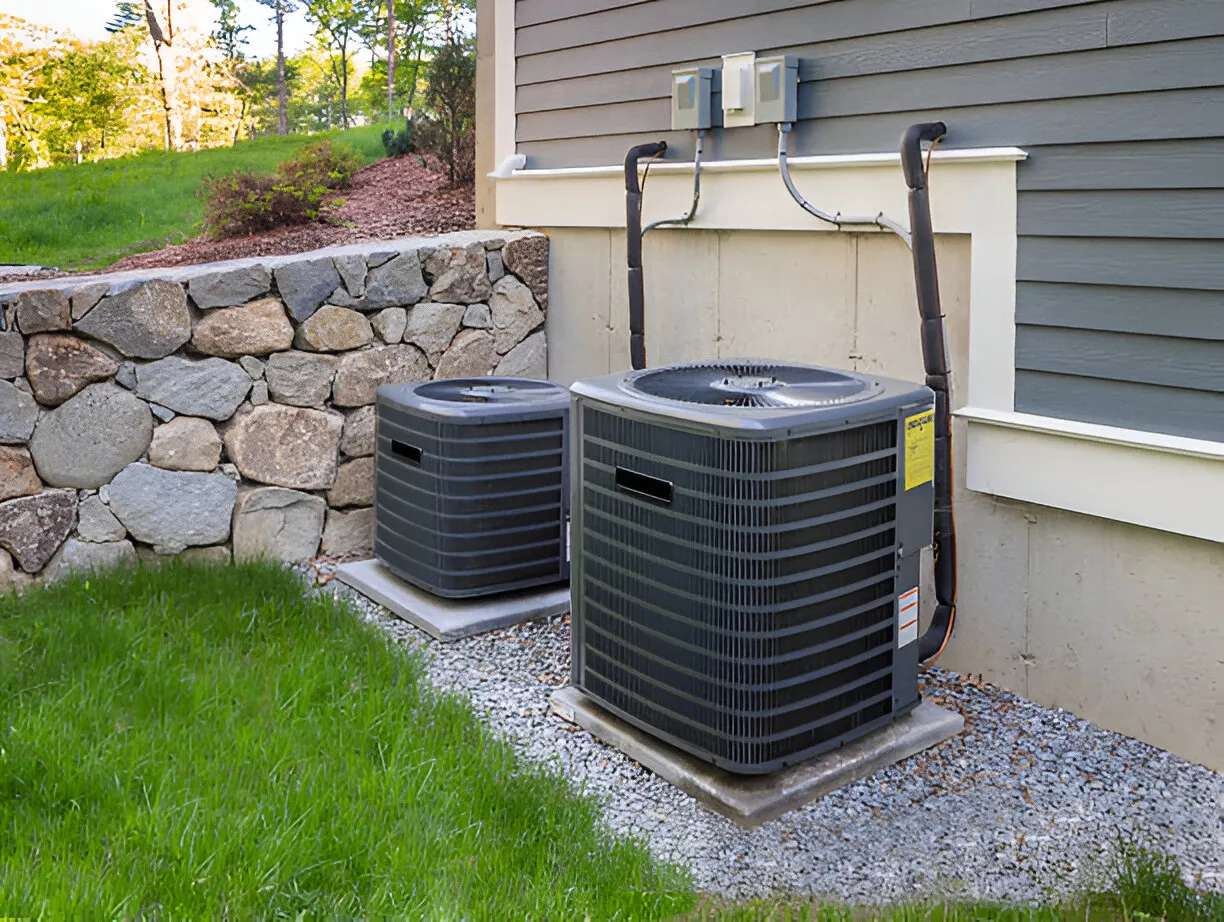
Why proper HVAC installation matters in Reynoldsburg homes
Reynoldsburg experiences hot, humid summers and winters that can drop below freezing, which creates contrasting design requirements for cooling and heating. Many local homes are older ranch or colonial styles with existing ductwork that may be undersized or leaky. Others are newer builds or renovated homes with tighter envelopes where airflow and system sizing must be precise.
Common consequences of improper installation include:
- Short cycling and early component failure when systems are oversized
- Poor humidity control during summer months
- Uneven temperatures and hot or cold rooms due to duct or zoning issues
- Higher energy bills from inefficient airflow or incorrect refrigerant charge
- Voided manufacturer warranties because of noncompliant installation practices
A quality installation focuses on the whole system: accurate load calculation, right-sized equipment, proper refrigerant and airflow, and ductwork that supports designed performance.
Common HVAC installation types and issues in Reynoldsburg
Homeowners in Reynoldsburg typically choose from several modern HVAC solutions depending on their home layout, energy goals, and utility access. Common installations include:
- Gas furnace replacement paired with central air conditioning
- High-efficiency heat pump systems that provide both heating and cooling
- Ductless mini split systems for additions, garages, or rooms without ductwork
- Full system replacements for homes with aging or incompatible components
- Partial replacements where the homeowner keeps a functional component like ducts or a blower and replaces only the outdoor unit or furnace
Typical issues encountered during installations:
- Undersized or leaky ductwork contributing to poor performance
- Incorrect equipment sizing leading to humidity, comfort, or efficiency issues
- Inadequate return air pathways or poorly located thermostats
- Mismatched components (for example, incompatible coils and outdoor units)
- Access constraints in older houses complicating equipment placement
Initial consultation and professional load calculation
A reliable installation begins with a thorough consultation and a detailed load calculation. Best Service Heating & Cooling follows industry best practices, using ACCA Manual J principles adjusted for local climate patterns and home specifics.
What the consultation includes:
- Walkthrough of the home to inspect existing equipment, ductwork, insulation, windows, and occupancy patterns
- Measurement of conditioned floor area, ceiling heights, and construction details
- Review of homeowner comfort goals and budget considerations
- Identification of any issues that affect performance such as restrictive registers or poor attic insulation
Why load calculation matters:
- Determines accurate heating and cooling loads for each zone or the entire home
- Prevents oversizing or undersizing that lead to inefficiency or comfort complaints
- Guides proper equipment and duct sizing decisions for both initial installation and long term performance
Equipment selection: furnaces, ACs, heat pumps, and ductless systems
Selecting the right equipment is a balance of performance, efficiency, and compatibility with your home. In Reynoldsburg, choices are often influenced by fuel availability, existing duct systems, and humidity control needs.
Key options explained:
- Furnaces: For many Reynoldsburg homes with natural gas service, a high-efficiency gas furnace remains a reliable heating choice. AFUE ratings indicate efficiency, and modern modulating furnaces offer better comfort and efficiency than older single-stage models.
- Air conditioners: Look at SEER (Seasonal Energy Efficiency Ratio) ratings and proper coil matching. Higher SEER systems reduce cooling costs in hot summers and improve humidity control when paired with correct airflow.
- Heat pumps: Advanced cold-climate heat pumps provide efficient heating and cooling in Ohio climates. They reduce reliance on fossil fuels and can pair with existing ducts or operate as ductless systems.
- Ductless mini splits: Ideal for room additions, finished basements, or homes without ductwork. They provide zoned control and high efficiency in targeted spaces.
Equipment selection considerations:
- Right-sizing based on load calculation
- Matched components for refrigerant and airflow compatibility
- Efficiency ratings that match homeowner priorities for savings versus upfront cost
- Compatibility with smart thermostats or zoning systems
Ductwork assessment and replacement
Ductwork is frequently the hidden factor that determines how well a new HVAC system performs. Best Service Heating & Cooling conducts a detailed ductwork assessment during the consultation.
Elements of a duct assessment:
- Visual inspection for disconnected or crushed ducts, poor insulation, or duct seals that have failed
- Measurement of duct sizes versus required airflow from load calculations
- Evaluation of return paths, register locations, and balancing needs
- Testing for air leakage if indicated by age or performance complaints
When replacement or repair is recommended:
- Targeted repairs for minor leaks, insulation upgrades, or supply boot adjustments
- Partial replacement when key trunk lines are undersized or damaged
- Full replacement where the existing system cannot deliver required airflow even after repairs
- Options for ductless solutions where duct replacement would be invasive or cost prohibitive
Ductwork corrections improve efficiency, balance temperature across the home, and maximize the useful life of new equipment.
The step-by-step installation process
A professional installation follows a consistent, documented process to ensure compliance with manufacturer and code requirements. Typical steps include:
Pre-install preparation
- Finalize equipment selection and verify clearances for installation
- Coordinate delivery and schedule the installation day
- Prepare the work area and protect floors and belongings
Removal of old equipment
- Safely disconnect power and fuel lines
- Remove outdoor and indoor units while minimizing disturbance
- Dispose of old equipment according to local regulations
Ductwork and system adjustments
- Implement approved duct repairs or replacements
- Install new plenums, registers, and seals as needed
- Ensure proper condensate drain routing and slope
Equipment installation
- Set outdoor unit on a level pad and install vibration isolation as appropriate
- Mount indoor units, whether furnaces, air handlers, or ductless heads, to code and manufacturer specs
- Ensure proper refrigerant line routing, insulation, and brazing techniques
Electrical and control wiring
- Connect to dedicated circuits sized to equipment requirements
- Install or program thermostats and verify control sequences
- Implement safety controls and interlocks
Refrigerant charging and airflow setup
- Charge refrigerant precisely to manufacturer specifications
- Adjust blower speed and check static pressures to achieve designed airflow
Cleanup and final checks
- Remove jobsite debris and protective covers
- Verify that registers are adjusted for proper balance
- Review manufacturer warranty and installation documentation
This process emphasizes quality workmanship and attention to detail so the system performs as intended in the Reynoldsburg climate.
System testing and commissioning
Once equipment is installed, comprehensive testing and commissioning confirm performance and document results. Commissioning steps typically include:
- Verifying refrigerant charge, superheat and subcooling readings
- Measuring supply and return temperatures to ensure designed temperature splits
- Checking airflow volumes and static pressure through the duct system
- Testing safety controls, limit switches, and gas valve operation for furnaces
- Calibrating thermostat control sequences and verifying zoning operation
- Performing a combustion analysis for gas-fired equipment if applicable
- Conducting a condensate drain and safety float test
- Inspecting for unusual noise or vibration and verifying proper clearances
A thorough commissioning report provides homeowners with measurable data showing the system meets manufacturer specifications and will operate optimally for local conditions.
Warranty, documentation, and maintenance handoff
A proper handoff gives homeowners confidence in long term performance and preserves warranty coverage.
What you receive at handoff:
- Manufacturer warranty registration and copies of warranty terms
- Installer documentation detailing model numbers, serial numbers, and commissioning readings
- Service recommendations and schedule for first maintenance visits
- Explanation of common indicators of system issues, filter replacement guidelines, and thermostat operation
- Enrollment information for any available maintenance plans such as a SAM service agreement that offers periodic inspections, priority service advantages, and potential discounts on repairs
Maintaining consistent preventive care protects the investment and helps identify small issues before they become costly repairs.
Financing, rebates, and incentives relevant to Reynoldsburg homeowners
Upfront cost is often a consideration for homeowners planning a full HVAC replacement. Financing options and rebates can help spread the investment and improve long term returns through energy savings.
Common opportunities to explore:
- Manufacturer and dealer financing programs that accommodate a range of credit profiles
- Local utility incentives and rebates for energy efficient equipment, such as high SEER air conditioners, ENERGY STAR heat pumps, and qualifying thermostats
- Federal tax credits or state-level incentives for certain high-efficiency systems and heat pump installations
- Seasonal promotions that align with equipment availability and changeouts
Because programs change, homeowners in Reynoldsburg should verify current rebate and tax credit availability and confirm eligibility before finalizing equipment selection. Proper documentation at installation also helps homeowners claim rebates or incentive payments.
Benefits of a professional, whole-home approach
Choosing a complete, professionally managed HVAC installation delivers measurable benefits:
- Improved comfort and humidity control through properly sized equipment and corrected ductwork
- Lower operating costs when systems are matched and balanced for design loads
- Longer equipment life resulting from correct airflow, charge, and routine maintenance
- Reduced risk of breakdowns during peak heating or cooling periods
- Preservation of manufacturer warranties through certified installation practices
Best Service Heating & Cooling applies decades of local experience to recommend practical, durable solutions that account for Reynoldsburg weather cycles and typical home construction.
Maintenance and care tips to protect your investment
After installation, a few simple practices prolong system life and sustain efficiency:
- Replace or clean air filters on schedule, typically every 1 to 3 months depending on filter type and household conditions
- Keep outdoor units clear of grass, leaves, and debris and maintain at least two feet of clearance around the unit
- Schedule seasonal maintenance: pre-season cooling check before summer and heating tune up before winter
- Monitor thermostat settings and consider programmable or smart thermostats for better zone control and potential energy savings
- Address unusual noises, odors, or performance changes promptly to avoid cascading failures
Best Service Heating & Cooling recommends regular maintenance visits to preserve efficiency and identify developing issues before they require costly repairs.
Hot Deals & Cool Savings

.webp)
New Service Agreement Membership
.webp)
Any New Client Service
Next Service for Referring a New Client
New Service Agreement Membership
Any New Client Service
Next Service for Referring a New Client
.webp)
.webp)

Service Areas
