
Solving Uneven Heating Issues In Your Westerville Home
Learn how heating repair in Westerville can solve uneven temperatures in your home. Find out the causes and get reliable comfort from room to room.

Solving Uneven Heating Issues In Your Westerville Home
Uneven heating is a common but frustrating issue for many homeowners in Westerville. You turn on the furnace expecting your home to feel warm and comfortable, but instead, one room feels like a sauna and the next feels like a walk-in cooler. When the temperature inside your home isn’t consistent, it’s not just inconvenient—it can impact your comfort, your energy bills, and your heating system’s performance over time.
Fall is the perfect time to sort these problems out before colder weather sets in. If you’ve noticed certain areas in your home always feel colder or warmer than the rest, there’s usually a reason. Understanding what causes uneven heating and how to fix it will help make your home more comfortable and your system more efficient.
Common Causes Of Uneven Heating In Westerville Homes
When parts of your home heat up while others stay cold, there are several possible causes. Some are related to the condition of your heating system, while others are more about the structure of the home. Figuring out the root cause is key to returning your indoor temperature to where it should be across every room.
Here are the most common reasons heating may be uneven in your Westerville home:
– Clogged or dirty air filters: When filters aren’t changed regularly, airflow is reduced, and warm air won’t circulate properly throughout your home.
– Improper system sizing: A furnace that’s too big or too small for your square footage won’t heat evenly. Too large, and it may run short cycles, leaving cold spots. Too small, and it may struggle to warm your space at all.
– Ductwork problems: Leaks or blockages in the duct system cause uneven air distribution. Heated air escapes or gets diverted, never reaching the rooms that need it.
– Insulation issues: Poor or missing insulation in walls, attics, or crawl spaces allows heat to escape, making it harder to keep certain rooms warm.
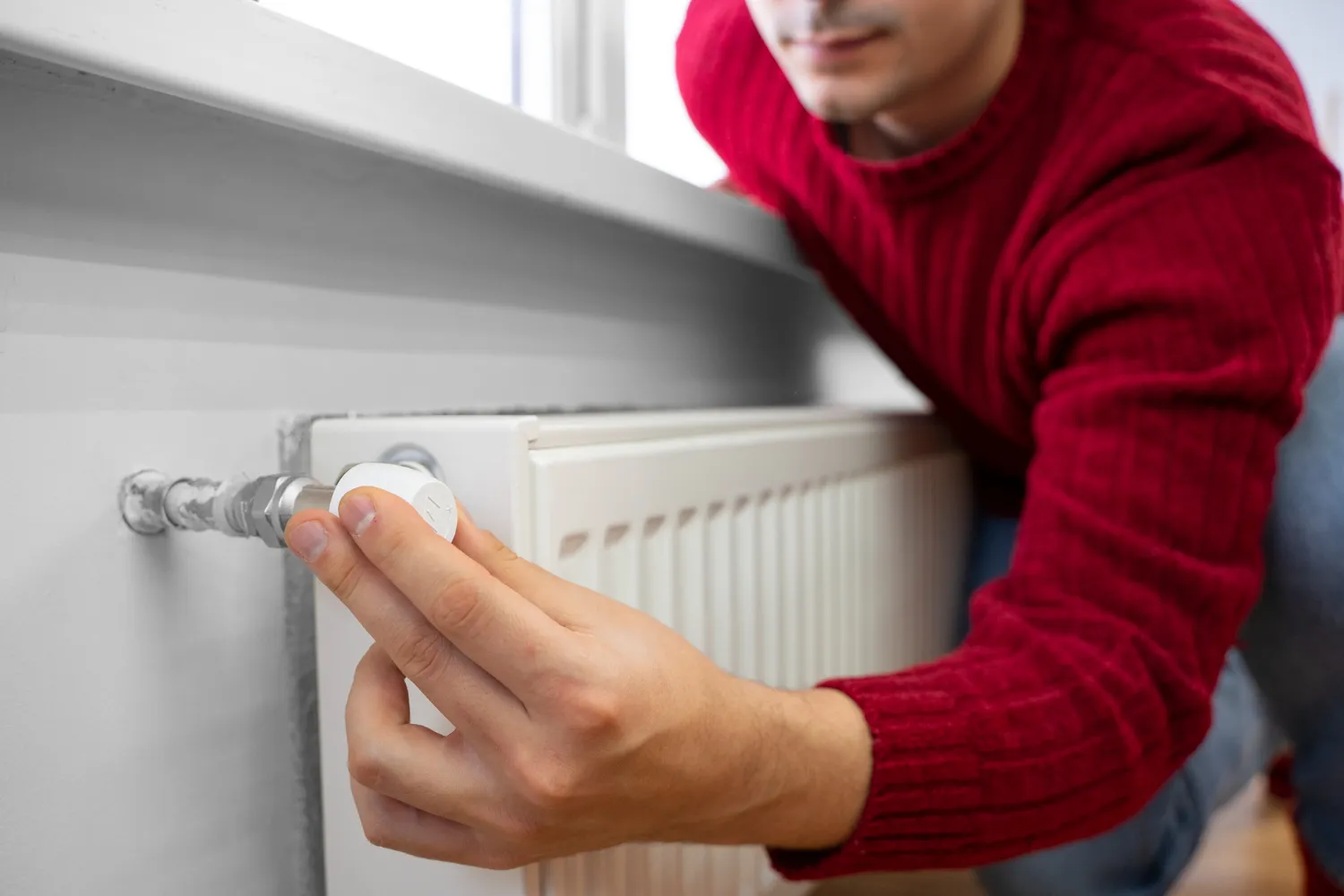
– Thermostat performance: A faulty or poorly placed thermostat can misread room temperatures. If installed near a heat source or drafty area, it may shut off the system too early or keep it running when it’s not needed.
Each of these problems on its own can affect temperature consistency. If more than one is happening at once, the heating performance will suffer even more.
How To Identify Uneven Heating
Spotting uneven heating often happens by feel—walking from room to room makes it obvious. Still, identifying the pattern of the problem and collecting a few key observations helps our professionals narrow down the cause quickly.
Here are a few simple ways to recognize and track uneven heating in your home:
- Pay attention to cold spots. If a room regularly feels colder than others, especially far from the furnace, that’s a red flag.
- Notice drafts near windows or doors. Air leaks in these spots can pull warm air out and let cold air in.
- Check vents and registers. Make sure they’re open, unobstructed by furniture or curtains, and blowing warm air when the system is on.
- Compare room temperatures. Use a basic indoor thermometer and record temperatures in each room at the same time of day. A significant difference suggests real variation in heat distribution.
- Watch for unusual cycling. If your system turns on and off frequently, or runs constantly, there may be an issue affecting heating consistency.
For example, a homeowner in Westerville might notice that the family room above the garage is always cold, even when the rest of the house is comfortable. After checking for drafts and confirming the vent is blowing warm air, they realize the room insulation is thin and the ductwork under that space runs along an exterior wall. This kind of layered issue is common, and resolving it usually requires professional input.
Solutions For Fixing Uneven Heating
Solving uneven heating in your Westerville home starts with addressing the core issues that disrupt airflow, insulation, or temperature control. The sooner these are fixed, the sooner you’ll experience consistent comfort across every room, even during colder months.
Here are a few practical solutions that help restore balanced heat throughout your home:
– Replace air filters regularly. A clogged filter blocks airflow, keeping warm air from reaching certain rooms. Replace filters every 1 to 3 months, depending on use and household conditions.
– Seal leaky ductwork. Heated air that escapes through gaps in the ducts never makes it to its intended rooms. Duct sealing can make a big difference, especially in older homes.
– Check for insulation gaps. Add insulation where it’s lacking, such as crawl spaces, attics, or exterior walls. This helps keep heat in and drafts out.
– Balance vents and dampers. You can often improve airflow by adjusting vents and using dampers to direct warm air toward colder parts of the house.
– Upgrade to zoned heating. Zoned systems allow you to control temperatures in specific areas, which is helpful in homes with additions or rooms far from the furnace.
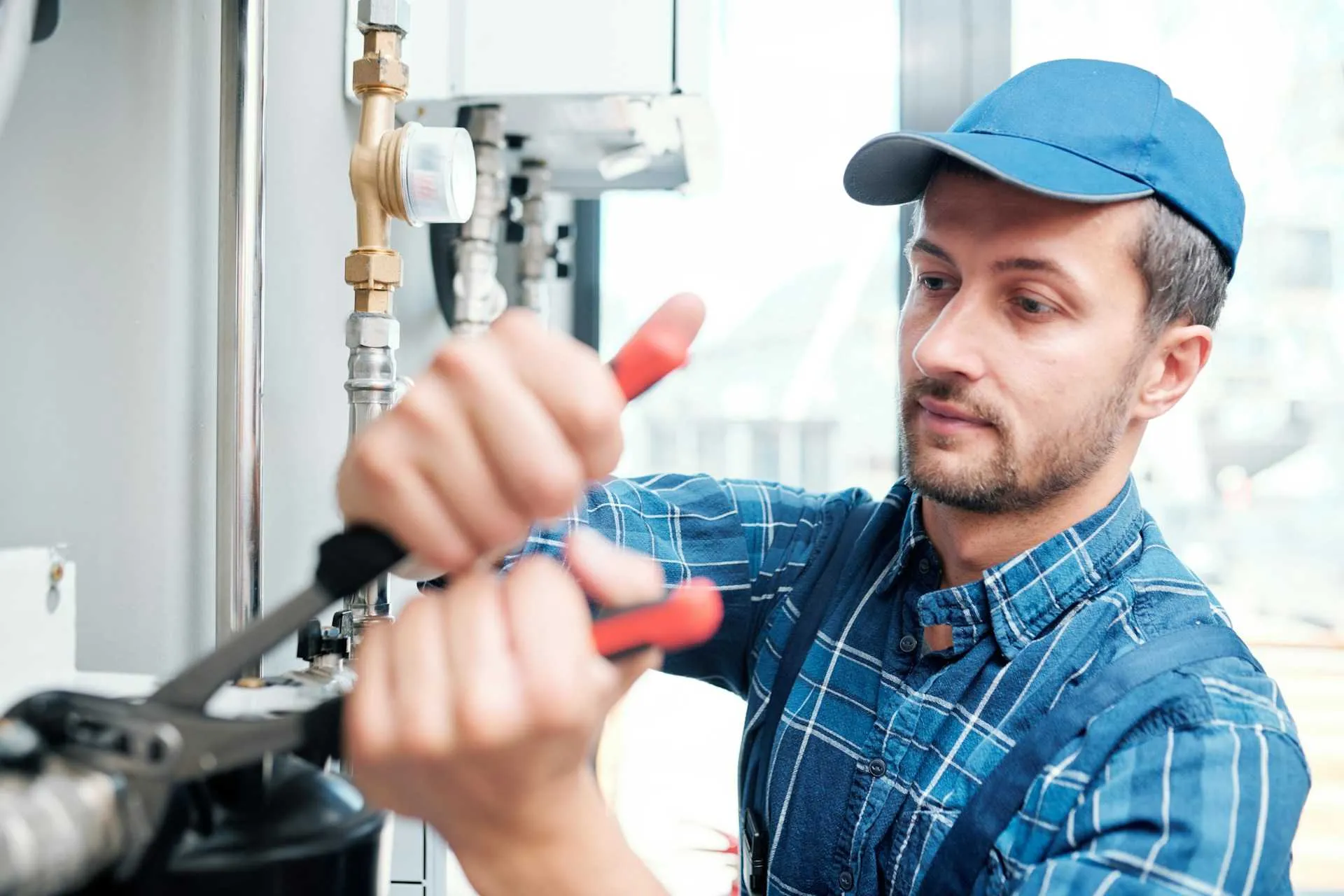
– Have a full inspection done. Sometimes uneven heating results from a combination of problems that require a trained eye. A professional evaluation can identify these issues and suggest the most effective fixes.
For instance, a resident in Westerville with an always-chilly basement might discover the return air vent is blocked by furniture. Once cleared, the airflow improves, and the space warms up noticeably. At the same time, sealing the surrounding ductwork and improving floor insulation keeps that warmth in place. It’s rarely just one thing – finding and solving multiple small problems gets better, lasting results.
Preventing Future Heating Problems
Getting your heating system balanced is only part of the long-term solution. Maintenance and smart habits keep the system working efficiently and help prevent uneven heating from returning.
Start with these measures:
– Schedule regular system maintenance before the heating season begins each year.
– Change air filters on time to maintain good airflow and system efficiency.
– Avoid blocking vents with furniture, rugs, or heavy curtains.
– Install a programmable thermostat to better control temperature settings based on time of day and household routine.
– Inspect insulation and weather stripping yearly, particularly after long heating seasons.
Taking time to follow these steps can save you from recurring cold spots and rising bills. When you understand where heating issues come from and how to stay ahead of them, it’s easier to make smart choices for your home.
Ensuring A Cozy Home In Westerville
Even heating isn’t just about comfort—it affects how your whole house performs during the colder months. If one room’s too cold or the upstairs won’t stay warm, it means your system is working harder than it should. Over time, that extra strain can drive up costs or shorten the lifespan of your equipment.
Addressing uneven temperatures early makes your home more livable today and protects your heating setup for the future. By tackling airflow problems, insulation gaps, or thermostat issues, you get the kind of reliable, steady warmth you expect every time the furnace kicks on. Everyone deserves a home that feels right from one room to the next, and small changes can go a long way in keeping it that way.
If uneven heating continues to affect your comfort in Westerville, Best Service Heating and Cooling recommends taking proactive steps to resolve the issue efficiently. Addressing problems early can prevent your HVAC system from overworking and help maintain a consistent temperature throughout your home. Scheduling professional heating repair in Westerville can fix the root causes and improve comfort across every room. For a quick estimate or to book a service visit, please contact us today.
Blogs
.webp)
.webp)

Service Areas
